Sunday, April 26, 2020

Weeks 3: Babadook

The Babadook: Ghosts in the Bedroom | Film International

Barbara Creed discusses abjection in the mother-child relationship as the struggle for the child to break away from the mother. However, The Babadook features the opposite conflict, the mother becoming resentful of and struggling to break away from the child. The feeling of uncanniness comes from the mother's fear of the child's hold on her. If the Babadook is grief, its strength over the mother grows as she represses her grief  and trauma in favor of "moving on", and she sees her child's attachment to her as something that holds her back. She struggles to break free from her child as he was born the day her husband died, equating his death with her and her child's initial separation. One might expect this to motivate her to maintain a tighter hold over her child, in Creed's sense, to undo that death and initial experience of abjection, but she pushes him away and becomes monstrous. The struggle between them ends when the mother stops overpowers her grief, but allows it to stay in the home. 

One thing I would like to think more about is how the absence of a father affects this family's dynamic in relation to the section of the monstrous feminine reading that talks about how the child's favor for the father's structure causes the mother to strengthen her hold over the child. It motivates the feeling of uncanny by reaffirming the child's fear of attachment to the mother's body. The absence of the father in The Babadook turns the struggle around, as the child remains attached to the mother, yet she grows to resent him for it. 

Sunday, April 19, 2020

Week Nosfera2


Nosferatu – FringeArts


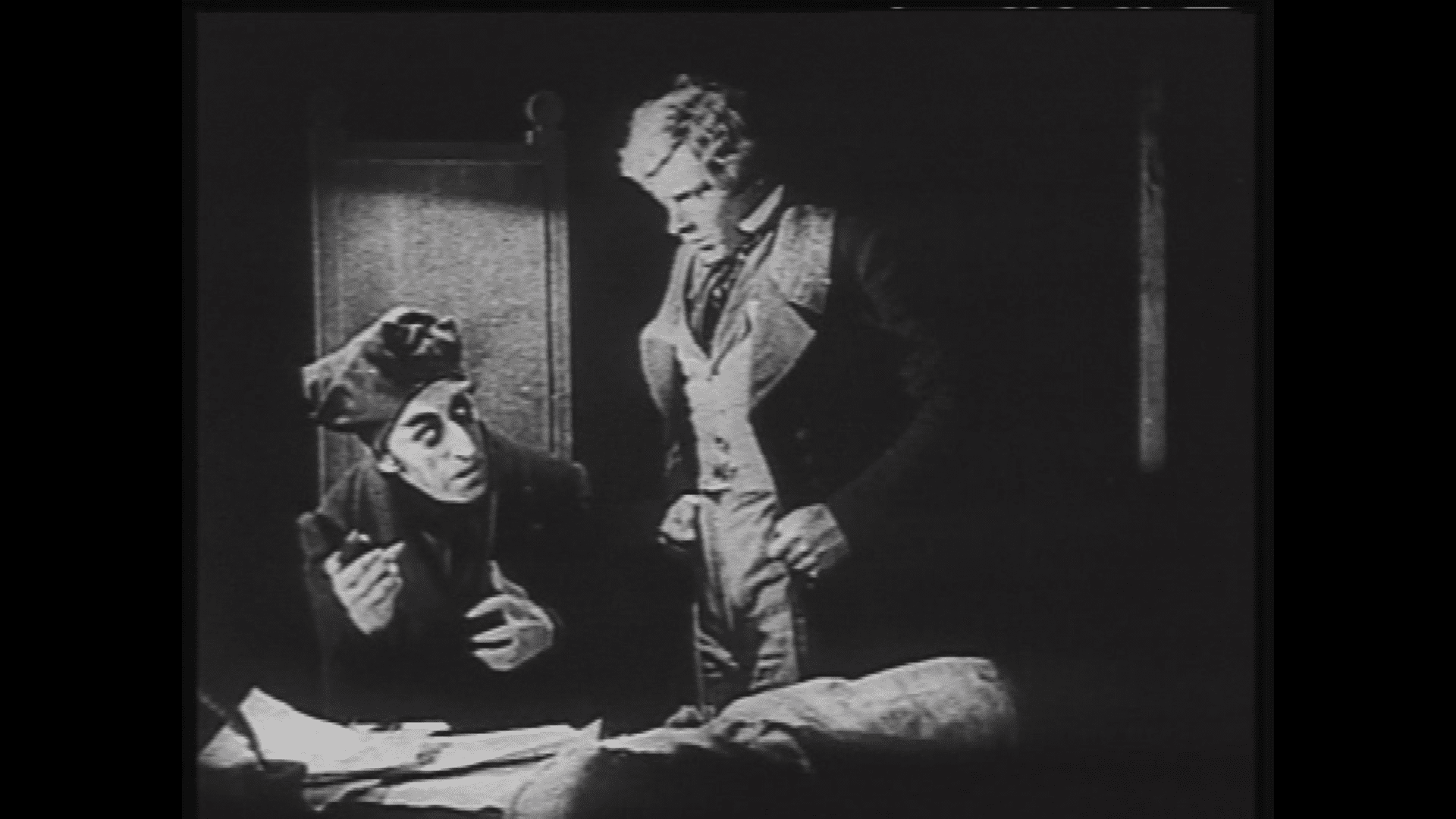
The first time I saw Nosferatu was Halloween of 2009, when my brothers and I all got the swine flu and couldn't go trick-or-treating. My dad went to the old family video and rented some old-timey spooky movies for us to watch. It was certainly an interesting time to watch a movie about the plague harbinger, and I guess it is again. Viewing it now, I'm more spooked by Count Orlok than I was back then. Those sunken eyes with the tiny pupils give me the heeby-jeebies, like I'm being watched. Back then, I thought Count Orlok's complete lack of subtlety as far as being a vampire was hilarious. I always thought the way he talks about blood, moves around creepily with predatory intent, etc., was so funny to me because I have the context of vampires in pop-culture that didn't really exist in 1922. The Benshoff reading caused me to rethink this a bit. The obviousness of Count Orlok's nature no longer seems like just a result of modern vampire-saturated media, but reflective of fears of heterosexual men that are described in "The monster and the homosexual".  Benshoff mentions the monster as representatives of the man's lusts. We have this happy heterosexual couple, where the man, Hutter, encounters this suspicious but lucrative job opportunity. He's tempted to pursue it despite rumors about the employer, separated from his wife, and ultimately trapped by this perverse creepy dude, Count Orlok. Orlok's comment's about blood come across as innuendo, and the aggressive movements toward Hutter mirror the fear of heterosexual men being predators to innocent young men. This is the first time I'm thinking about these themes in this film, although I'm not exactly surprised since, as a friend once put it, "vampires are gay and always have been".

Week 5: Ganja and Hess

The film this week is a perspective on the monstrous Other that I find intriguing because it's actively calling for sympathy for the cha...